Showing posts with label Bokeh. Show all posts

Saturday, August 29, 2020

Photography Article All about Bokeh|Photography Artist Statement

Bokeh is a Japanese term utilized in photography to describe the out-of-consciousness areas of an picture and is often created deliberately for artistic effect. There are several factors that influence the appearance and impact of bokeh in an picture, and this newsletter will discover the ones elements and provide you with recommendation about the way to first-class attain the 'bokeh appearance' with the device you have already got. The 2d article on this collection will introduce the concept of 'fashioned bokeh' and explain the way to control the shape and layout of background bokeh.

Creating Bokeh: Aperture

In order to create bokeh, you need to have a section of your image that is outside the depth of field (the area of the photograph in focus), and this area is generally in the background, rather than the foreground, of your composition. The narrower your depth of field, the easier it is to create bokeh in the background.

There are several approaches to create a slim intensity of discipline. The easiest manner is to shoot at a reasonably wide aperture, including f/1.8. The wider the aperture cost, the narrower the intensity of discipline, and the thinner the section of the photo this is in attention, the extra of the heritage that becomes out-of-awareness. Opening your lens as much as its maximum aperture can even create a 'smoother' appearance to the history and bokeh.

Bokeh created by means of putting daylight bouncing off the water.

One reason for the popularity of the 'nifty 50' or 50mm lenses is their capability to obtain an aperture of f/1.8 for a noticeably low price for a digicam lens. (50mm starter lenses are to be had from Canon for $110 and from Nikon for $110. Read greater in Yes, You Need a 50mm Lens.) At f/1.8 with these lenses, the background bokeh will become vibrant circles of light. As you close up down your lens and slender the aperture, but, the form of the heritage bokeh changes, based at the number of blades within the lens. The Canon 50mm f/1.8 lens has five blades, this means that that the bokeh becomes pentagonal at slim apertures.

Foreground and history snow bokeh. The pentagonal form resulted from the 50mm lens at f/6.Three.

If you do not have a 50mm lens and as an alternative have handiest the lens or lenses that got here with your digital camera, then it's far possibly the widest aperture you could acquire will be between f/three.Five and f/5.6, relying on your focal length. You can still achieve a bokeh effect at those apertures, but you may want to use additional techniques to do so.

Other Strategies for Creating Bokeh

You can improve the blur of your background bokeh in other ways. Increasing the distance between your subject and the background will improve the bokeh. The closer the background is to your subject, the more likely it is to fall within the depth of field or just outside. As you move your subject farther away from the background, however, the increased distance will make it more likely that the background will fall outside of the area in focus.

Violets from above at f/5.6. Minimal blur and bokeh due to closeness of background.
Violet from the side at f/5.6. Greatly increased blur and bokeh due to distance to background.

You also can enhance the history bokeh by getting towards your problem. Even in case you keep the aperture the equal, the relative width of the intensity of area will slender as you approach your concern. Moving the point of interest nearer as your challenge movements nearer additionally makes the background rather farther away. You can do that by means of shifting physically closer in on your situation or by means of the use of a zoom lens and zooming in for a closer in view of your difficulty.

The collection of snap shots below demonstrates the difference that the position of cognizance could make on the form and size of the bokeh. As the location in awareness actions farther and farther away from the digicam, the bright bokeh mild circles come to be smaller and smaller. By the lowest proper photograph, the tiny vacation lighting are now absolutely in consciousness and no longer developing bokeh.

For this bokeh-stuffed portrait, below, the situation turned into located fairly near the digicam (about five toes) with the heritage significantly farther away (approximately fifteen to 20 ft). The pop-up flash at the digital camera become used to light up the concern, at the same time as an extended shutter speed (zero.6 seconds) supplied the brightness within the bokeh lighting fixtures.

Bokeh-licious Portrait by Archaeofrog on Flickr

You can combine those two suggestions (closer challenge and farther background) to reap bokeh in spite of a point-and-shoot digicam. If you use the macro putting (the tulip symbol), get in close to your subject, and preserve the heritage farther back, you may be able to gain a few measure of beautiful historical past blur and bokeh.

Point-and-Shoot Bokeh (Canon A4000IS)

Improving the Quality of Your Bokeh

Certain backgrounds lend themselves to better bokeh effects than others. Bokeh is all about light, and the more light you have reflecting or shining off objects in the background, the better your camera will be able to render the blurred, bokeh look. Point sources of light work particularly well for bokeh, as each point source can be rendered as an individual, bright circle of out-of-focus light. (Read more about point sources of light in my guest post on Digital Photography School: Using Sun Flares and Starbursts to Create Stunning Images.)

Holiday mild, street lighting, or even car headlights are famous choices for brilliant, bokeh-crammed backgrounds at night. Try the usage of a combination of all 3 techniques above to capture the look you need. Start with your widest aperture after which see how converting the distance among the digital camera and the concern and changing the distance among the situation and the background changes the final look of your image.

Christmas decoration with bokeh. Ornament turned into held barely in the front of tree

to increase background distance and create better bokeh.

You also can create bokeh during the day. Light filtering through trees and leaves can make appealing bokeh. You will get better results in advance inside the morning or later in the afternoon, while the solar is decrease inside the sky. These lengthy, vibrant rays and sundry shadows can create an thrilling framework to apply for growing bokeh.

Backlit bokeh from the afternoon solar

Color and mainly contrasting colours are some other vital issue to consider. If you really want to create a completely unique or memorable appearance the usage of bokeh, try to discover or create a state of affairs wherein the historical past bokeh is a contrasting colour to your predominant problem. This will similarly intensify the variations among the situation and the background and help make your problem 'pop.'

The vibrant oranges of the foreground leaves contrast with the blues and veggies of the background.

Bokeh Summary

Bokeh is a great photography effect and one that can add a unique and memorable twist to your images. While bokeh often begins with aperture, you should also pay attention to your distances: zoom in to create more blur, get closer to your subject to narrow the depth of field, or move your subject farther away from the background to be sure that it falls out of focus. Find some bright lights or bright sun and see what you can create!

Friday, August 28, 2020

Photography Article Shaped Bokeh|Photography Artist Statement

The first article on this series delivered you to All approximately Bokeh, and this second one will cowl the topic of fashioned bokeh. Shaped bokeh takes the idea of bokeh one step further through remodeling those out-of-focus circles of light into some other shape, with countless possibilities.

How to Create Shaped Bokeh: Supplies

This classic how-to publish for formed bokeh comes from DIY Photography, and it is enormously easy and inexpensive. (For the non-crafty among us, you may now also buy a Bokeh Masters package, created with the aid of them, for $25 USD.)

How to Create Easy Shaped Bokeh | Boost Your Photography

For supplies you may need the following:

  • A piece of black paper (thicker cardstock works best)
  • A rubber band
  • A piece of tape
  • Scissors
  • A 50mm lens

Seriously, that is sincerely it. An x-acto knife is beneficial for making the definitely small cuts, but I did my first few with a ordinary pair of scissors. You may also use a fashioned hollow puncher, if you wish.

The steps, you could basically intuit from looking on the photograph above. Cut out a duration of black cardstock, roll it round your lens to make a tube, and tape it together. Trace around the circumference of your lens/tube. Cut out that circle, adding approximately a half of inch or so all the manner around. Then, cut a chain of notches into the circle (returned to the authentic, traced circle). Fold the notches returned. You can then vicinity the circle over your lens and the tube and stable it in vicinity with a rubber band across the tube and the folded down notches.

Example shapes: superstar, snowflake, and coronary heart

But yes, we skipped the most important step: the shape. First, decide what shape you want for your shaped bokeh filter. For an introductory 50mm kit lens, you can make your shape up about 17mm long. (Here's the article on the math behind that, if you are curious.) Center your shape directly in the middle of the circle (fold the circle in half in two places if you want to easily find the exact center). All sorts of shapes can work, as long as you can easily and neatly cut it out at that small of a size. (The complicated-looking snowflake was cut using an x-acto knife.)

Shooting Shaped Bokeh

Now which you are well-armed together with your formed bokeh-making tube and filter out(s), you're geared up to begin taking pictures. Many of the ideas are the same as while shooting any type of bokeh. You will need to shoot with your lens extensive open (the widest aperture to be had, like f/1.8). You will want to have your challenge fairly near the digicam and the background at least two times as far away. You will need a historical past so as to render massive, circular bokeh, which is why the vacation season is an ideal time for shaped bokeh. Hang up a few strands of lighting fixtures or move stand in front of your neighbor's tree or house, if you choose.

The simplest manner to shoot formed bokeh is to compose your shot earlier than placing the form in front of your lens. A tripod is mainly helpful so that you can consciousness in your subject first and then transfer your lens into manual awareness, so that it will lock the point of interest in place. Then you could positioned the form over your lens, secure the rubber band, and now not have to worry about your camera trying to find focus via the narrow shape.

Keep in mind that your shaped bokeh will grow to be being a great deal smaller than the unique bokeh circles. Unless you're able to reduce your form to precisely the maximum allowable size, you will lose a number of the size based totally on how small you have got made your shape. The handiest compositional distinction between the two pics below is that the shaped bokeh clear out became used for the second one. The distances between the difficulty, the digicam, and the background (a lit Christmas tree) remained the same.

Another issue with using a formed bokeh clear out is that it'll further reduce down on the quantity of mild reaching your sensor. Because you may already be capturing together with your aperture huge open, you may want to use an extended shutter pace or growth the ISO to compensate. (Another purpose a tripod is reachable.) You can also want to don't forget the usage of a flash to better remove darkness from your situation. The background will no longer need the flash, when you consider that it's far already shiny and manufactured from lights. With the Chimay photographs above, the shutter pace improved from 1/eighth of a 2d for the circle bokeh to 2 seconds for the shaped bokeh. No flash became used.

For the snowman shot, under, the digital camera's integrated flash became used to light up the snowman. The standard settings for the shot were ISO 100, f/1.Eight, and six seconds. The bits of formed bokeh snowflakes creeping around the snowman had been a end result of my lack of ability to maintain him perfectly constant for the overall six seconds. A steady challenge (or some thing to preserve your subject consistent) also can be beneficial.

Snowman and a subject of Snow-Bokeh

Experiment with specific distances, each among the camera and the problem and between the situation and the history. The collection of snap shots below demonstrates the impact of moving closer or farther far from the history. Moving toward the historical past will lead to less overlap among your shapes, but you'll have much less of the shapes, as much less lights are on your composition. Moving farther far from the historical past will purpose a lot more overlap of the shapes and there could be plenty more of them.

The two pix above display the effect of transferring the concern (and the aircraft of recognition) in the direction of the digicam. In each pix, the camera and heritage stayed inside the equal location, whilst the plane of attention moved a foot or so in the direction of the camera for the second picture. Moving the plane of recognition that a lot closer to the digital camera additionally led to an increase in the size of the bokeh shapes.

Summary

Shaped bokeh is a a laugh and clean manner to make creative snap shots. There are endless possibilities, and you could effortlessly make new bokeh filters in a remember of mins. What higher way to have a good time and percentage the matters you adore?

Have a favorite formed bokeh shot you've taken? Share it inside the feedback beneath!

Wednesday, August 26, 2020

Photography Article Creative Christmastime Photography|Photography Artist Statement

Christmas is a vacation of love and lighting and presents many opportunities for thrilling and innovative pics. This publish is supposed to inspire your own Christmastime pics with some thoughts and examples of creative Christmas-themed pix (and to give you a few ideas of pics you can take without bothering the rest of the family!).

Make the Tree Shine

You can upload an additional sparkle for your Christmas tree through turning the lighting fixtures into starbursts. You will need a tripod to maintain the digital camera steady, and a far flung shutter release will assist. Use a extensive attitude lens, which include 18 mm. In aperture priority mode, set an ISO of one hundred and an aperture of f/22. This narrow aperture will motive each miniature light to be rendered as a starburst. Read greater about starbursts in my visitor put up on Digital Photography School.

Go for Silhouette

You can use just the glow of the Christmas tree to create exciting silhouettes. This is a exquisite technique to apply with children as well, as the glow of the lighting mirrors the excitement for Christmas on their faces. Expose the scene for the Christmas tree and glow, before positioning the character or folks for the silhouettes. (Read greater on Explaining Exposure and Exposure Compensation.) Try to use a mid-range or slender aperture to make bigger the glow and starburst effect. The image above turned into shot at ISO 100, f/eight, and a shutter velocity of 3.2 seconds. (Trying to get f/22 might had been a miles, lots longer shutter speed, and it'd had been tough for the challenge to keep nonetheless that long with out blur turning into glaring in the very last photograph.)

Use Bokeh

Two earlier posts this month explored the idea of bokeh and how to use it creatively in photographs: All about Bokeh and Shaped Bokeh. Christmas trees and other strings of Christmas lights offer an easy bokeh-filled background. You will need a lens with a wide aperture (like f/1.8 or f/3.5) for best results. For more details, read the previous posts.

In this photograph, the whole tree is used as a bokeh heritage for the statue. The implied shape of the tree is visible in the patterning of the bokeh and serves to shape a connection between the two figures sporting domestic their Christmas tree and the actual tree in the historical past. Using the complete tree as a bokeh shape could make an exciting backdrop for plenty sorts of pictures.

Capture the Whole House

Outdoor vacation lighting fixtures are another possible Christmas pictures problem. Plan to photograph the lighting fixtures on a clear night at some point of the Blue Hour, which starts about 15-20 minutes after sunset. Read all of the information within the submit on How to Photograph Outdoor Holiday Lights.

Focus on the Details

Christmas decorations and traditions make notable topics for a nevertheless existence. Here, the Christmas playing cards and Christmas cookies are complemented by way of a glowing association of embellishes and lights. Think about proposing a memorable or giant ornament in its personal image. Below is a small vignette created with miniature Christmas homes and characters, made greater unique as this turned into taken the primary Christmas after I received those from my grandmother.

Remember to Kick Back and Enjoy It

And of path, don't forget that Christmas is likewise a time to sit returned, loosen up, and experience the holiday, surrounded by means of human beings you like. Wishing you and yours a completely Merry Christmas!

Creative Christmastime Photography | Boost Your Photography

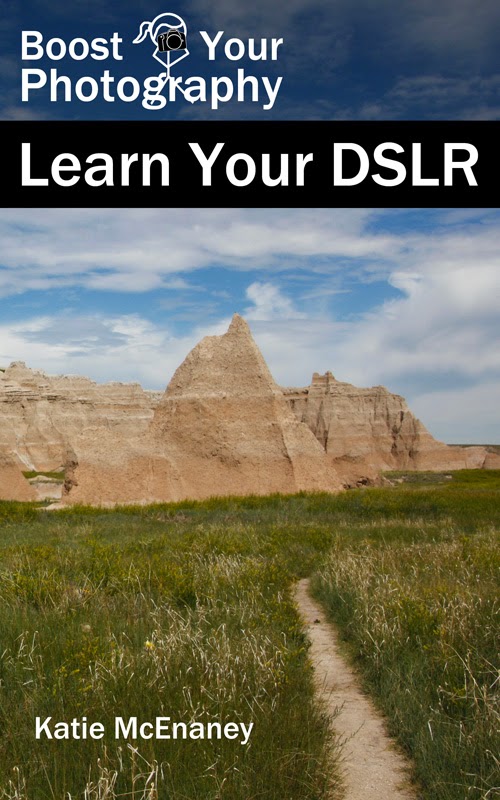
Boost Your Photography: Learn Your DSLR is now to be had from Amazon. Get the most from your digital camera with realistic recommendation about the technical and creative factors of DSLR pictures so as to have you ever taking lovely pictures proper away.

Tuesday, August 25, 2020

Photography Article Top 5 Guest Posts on Photography|Photography Artist Statement

The fourth submit in our Top five series will test the Top five Photography Posts that I have posted as guest posts on different web web sites.

#five: Jumpstart Your Photography: Start a 365 Project

This post on Starting a 365 Project just went live yesterday over at Digital Photography School, which is why I am slotting it in at the lowly number 5 in this countdown. I am now into my fourth year of participating in a 365 Project, and I honestly think it is the best thing you can do to make an immediate and lasting impact in your photography. Read more in the full post: Jumpstart Your Photography: Start a 365 Project. Still curious? You can find my 365Project athttp://365project.org/archaeofrog/365 .

#4: Inexpensive Close-Up Photography: Extension Tubes

http://www.boostyourphotography.com/2013/04/inexpensive-close-up-photography.html

Close-up or macro pictures is a manner of searching at the small information and wonders of the sector through pictures. This put up was the third of a sequence of four articles that I did for the photography web website Photokonnexion. Extension tubes screw in between your lens and the digital camera body, allowing you to focus and get your digicam towards your subject, which then makes your situation noticeably larger for your final photo. Read greater about how to use extension tubes inside the complete article right here.

#3: Inexpensive Close-Up Photography: Close-Up Lenses

http://www.boostyourphotography.com/2013/03/inexpensive-close-up-photography-close.html

This article on close-up lenses was the second one in my series of 4 articles on close-up and macro pictures that first seemed at the net site Photokonnexion. Close-up lenses, like filters, screw on to the the front of your existing lens. They can help you attention more closely in your subject, making it larger for your final photo. Read more approximately how to use near-up lenses inside the full article here.

#2: Inexpensive Close-Up Photography: Tips and Tricks

http://www.boostyourphotography.com/2013/04/macro-and-close-up-photography-tips-and.html

This post became the realization to my four-component collection on near-up and macro pictures that become posted on the internet website online Photokonnexion. This article focused at the settings and strategies recommended to obtain the quality outcomes, whether or not you are the use of extension tubes, near up lenses, reverse rings, or a devoted macro lens. Read the whole article on Inexpensive Close-Up Photography: Tips and Tricks for all of the details.

#1: Using Sun Flares and Starbursts to Create Dramatic Images

http://digital-photography-school.com/using-sun-flares-starbursts-create-stunning-images

... And the top post of my visitor articles that appeared on different web sites changed into this one on Using Sun Flares and Starbursts to Create Dramatic Images, which changed into published at the web site Digital Photography School. This publish lays out the timing techniques and the digital camera settings that will help you obtain massive, dramatic solar flares and starbursts, the use of the camera and equipment you already have. Both make for impactful and uncommon pics.

Catch up on the relaxation of our Top 5 roundup of Top 5 posts:

  • Top 5 Travel Photography Posts
  • Top 5 Informational Photography Posts
  • Top 5 Posts with Instant Inspiration Ideas for Photography
  • Top 5 "How To" Photography Posts

Boost Your Photography: Learn Your DSLR is now to be had from Amazon. Get the maximum out of your digital camera with sensible advice about the technical and creative aspects of DSLR photography so as to have you ever taking stunning pics proper away.

Thursday, August 20, 2020

Photography Article 5-Minute Heart-Shaped Bokeh Photography|Photography Artist Statement

Heart-shaped bokeh is a popular photography trick for Valentine's Day or any time you need to show a little extra love in your snap shots. All you want is 5 mins and a few fundamental supplies, and you may be shooting coronary heart-shaped bokeh.

Supplies for Heart-Shaped Bokeh

You could always buy a shaped-bokeh kit, but why bother when you likely already have all the supplies to make your own?

As pictured, all you want are

  • A piece of black paper (thicker cardstock works best)
  • A rubber band
  • A piece of tape
  • Scissors
  • A 50mm lens

You can get more cunning and use an x-acto knife for making the certainly small cuts, however a sharp scissors works nicely for reducing each facets of the heart immediately. You may want to even use a heart-fashioned hole punch, in case you appear to have one.

Now, start your timer for 5 minutes, and by way of the stop of it you must easily have been capable of

  • Cut a bit of black cardstock an inch or so thick and lengthy enough to wrap around your 50 mm lens. Roll it around the lens and tape it collectively.
  • Trace around your 50 mm lens to make a circle. Cut it out, leaving a half of inch or so all of the manner around. Cut notches from the outside into the traced circle, which you may later bend to steady the circle onto the front of the lens.
  • Fold the circle in 1/2 and re-open at least two times to discover the precise center. Trace your coronary heart or be courageous and bypass right to slicing it out. For an introductory 50mm kit lens, you could make your form up approximately 17 mm long. (Here's the thing on the math at the back of that, if you are curious.)

And, it's it. Place the roll over your 50 mm lens, keep the circle with the heart in the front of your lens, and use the rubber band to stable the folded flaps across the outdoor of the roll. Now you need to discover your self a bokeh source, installation your challenge, and start shooting.

Setting Up and Photographing Shaped Bokeh

If you need a little more background on bokeh, you may want to click on and read the posts All about Bokeh and Shaped Bokeh for more details and examples of bokeh and how to.

You will want a factor light source to create the bokeh and develop into the coronary heart shapes: a string of lighting works well. I endorse the usage of a dark history, if viable, to dangle the lights. You can use a wall or a darkish set of curtains if you do now not have a backdrop. (The trouble with a lighter-colored backdrop is that you will turn out to be seeing the wires between the lighting fixtures, rather than just the lighting themselves.)

Consider using a tripod for your camera. You will be shooting at the widest aperture you can (f/1.8 or faster, hopefully, if you are using a 50 mm f/1.8 lens for example), but putting the heart shape in front of the lens will cut down on the amount of light reaching the sensor and require a longer shutter speed. Shoot in manual or aperture priority, set the aperture to f/1.8 or faster, and work from there. Consider using a flash if you want to illuminate only the subject and leave the background darker. Use a remote or 2-second countdown timer to avoid camera shake on the tripod.

You need to get your challenge as near the digital camera as feasible, while preserving the heritage and lights as a minimum twice as some distance away. The closer-within the digicam can cognizance, the bigger the very last bokeh hearts can be. You can also need to test a bit to find the great locations to your given challenge.

Summary: Heart-Shaped Bokeh Photography

Now you are ready to shoot your own heart-shaped bokeh in five minutes or less. You could create an image for your own Valentine's Day cards or just for fun. You can apply the same ideas to creating other shapes, as well.

What will you create?  Share a link or picture in the comments below!

5-Minute Heart-Shaped Bokeh | Boost Your Photography

Want more outstanding ideas? Follow Boost Your Photography on Pinterest: Boost Your Photography

This post is also linked to Do Tell Tuesday,One Project at a Time, and What I Learned Wednesday.